


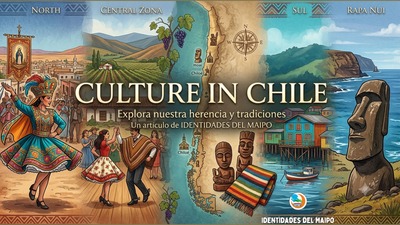
Culture in Chile
Culture in Chile: A Living Tapestry of Heritage and Tradition
Chile is far more than snow-capped volcanoes, endless coastline, or celebrated vineyards. Beneath that dramatic scenery beats a rich, layered heritage shaped by centuries of history. Indigenous roots, Spanish colonial influence, and rural traditions all blend into something wonderfully distinct. Exploring culture in Chile means stepping into stories still told around family tables and country bonfires. It means meeting horsemen, dancers, cooks, and craftspeople who carry these traditions forward every single day. For travellers seeking something deeper than a postcard view, this heritage offers real, lasting connection. This journey through Chilean identity begins not in a museum, but in the countryside itself. It continues in kitchens filled with the smell of fresh bread, in stables where horses are groomed at dawn, and in plazas where neighbours gather each evening to talk. These small, ordinary moments carry as much meaning as any grand monument.
Nowhere does that heritage feel more alive than in the Maipo Valley, just outside Santiago. Rolling vineyards share space with adobe farmhouses, rural chapels, and centuries-old irrigation channels. Here, culture in Chile is not performed for tourists but genuinely lived, season after season. Visiting these communities means witnessing tradition exactly as generations before having practiced it. This article explores the customs, characters, and celebrations that define Chilean identity today.
Architecture as a Mirror of Culture in Chile.
Colonial architecture still anchors many towns throughout the Maipo Valley and central Chile. Thick adobe walls, red-tiled roofs, and shaded courtyards reflect centuries of practical, climate-adapted design. Many of these buildings survive earthquakes and time thanks to traditional construction methods still respected today. Walking through these towns offers a tangible, physical connection to culture in Chile.

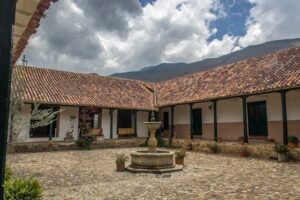
Historic haciendas, once the centre of rural agricultural life, now welcome visitors as boutique lodges and museums. Their thick walls, wooden beams, and wide verandas recall a slower, more deliberate way of living. Many families still own and maintain these properties, preserving furniture, tools, and photographs across generations. Touring a working hacienda reveals daily rural life far more vividly than any written history.
Village churches, often centuries old, remain the beating heart of countryside community gatherings. Bell towers call residents to Mass, festivals, and important seasonal celebrations throughout the year. Simple whitewashed facades hide interiors rich with carved wood, religious art, and local devotion. These humble buildings quietly hold generations of memory, prayer, and celebration within their walls.
Language, Sayings, and the Spirit
Chilean Spanish carries its own distinct rhythm, slang, and playful expressions unlike anywhere else in Latin America. Words borrowed from Mapudungun, the Mapuche language, still appear in everyday conversation and place names. Locals often speak quickly, dropping syllables and inventing colourful phrases unique to their region.
Learning even a few local expressions instantly deepens any traveller´s connection to culture in Chile.
Storytelling remains a cherished pastime in rural communities, especially around evening fires or family dinner tables. Grandparents pass down legends, family histories, and practical wisdom through spoken word rather than books. Many of these stories blend real historical events with local myth and gentle exaggeration. Listening closely to these tales offers genuine insight into rural values and humour.
Visitors who take time to chat with locals, rather than rushing between sights, often gain the richest impressions. A shared coffee, a passing conversation, or an invitation to a family meal can teach more than any museum. These small, unplanned moments frequently become the most treasured memories of an entire journey. That openness and warmth remain one of the most defining traits of Chilean hospitality.
Understanding Culture in Chile Through Its Roots
Long before Spanish ships reached these shores, Indigenous peoples shaped this land´s earliest cultural foundations. The Mapuche in the south, the Diaguita in the north, and other groups left lasting marks. Their language, agricultural methods, and spiritual beliefs still echo through modern Chilean life. Many place names, foods, and expressions in daily use trace directly back to these origins.
Spanish colonization arrived in the 1500s, bringing new architecture, religion, and social structures. Colonial towns sprang up around central plazas, churches, and administrative buildings still standing today. Over centuries, Indigenous and European traditions gradually intertwined, forming something entirely unique. Understanding culture in Chile requires appreciating this blend rather than separating one influence from another.
Immigration later added further layers, with German, Italian, Croatian, and Palestinian communities settling across the country. Each group brought its own cuisine, architecture, and customs, quietly enriching the national identity. Today´s Chile reflects all these threads woven together into a single, colourful cultural fabric. That complexity is precisely what makes exploring this heritage so consistently rewarding.

The Huaso: A Symbol of Culture in Chile
Perhaps no figure represents rural Chilean identity more powerfully than the huaso, the country´s iconic horseman. Dressed in a wide-brimmed hat, poncho, and sturdy leather boots, the huaso embodies rugged elegance. These skilled riders have worked the land for generations, herding cattle across Chile´s central valleys. Encountering a huaso firsthand offers a genuine, unforgettable window into rural culture in Chile.

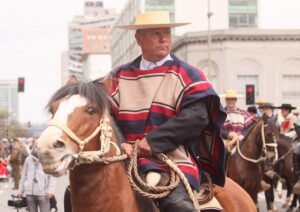
Rodeo remains Chile´s official national sport, deeply rooted in huaso tradition and countryside pride. Unlike rodeo elsewhere, the Chilean version emphasizes teamwork between two riders guiding cattle with precision. Skill, horsemanship, and respect for the animal matter more than speed or spectacle. Rodeo events double as community gatherings, filled with music, food, and multigenerational celebration.
In the Maipo Valley, several ranches still practice these traditions much as their ancestors did. Visitors can watch skilled riders train horses, herd cattle, and demonstrate traditional roping techniques. Some estates even offer horseback excursions through vineyards and countryside trails. These living traditions connect present-day travellers directly to Chile´s rural, working heritage.
Rodeo is a controversial practice in Chile, as many people believe that both horses and cows are overworked and mistreated in this practice, so you can find different opinions and perspectives on this “sport”.
Music and Dance Within Chile´s Cultural Identity.
The cueca, Chile´s national dance, tells a flirtatious story through handkerchiefs, footwork, and lively guitar melodies. Couples circle one another playfully, mimicking a rooster courting a hen across the dance floor. This joyful tradition appears at festivals, family gatherings, and national holiday celebrations throughout September. Watching a cueca performance offers one of the most vivid glimpses into culture in Chile.

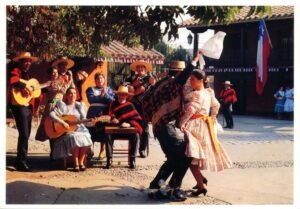
Folk music runs deep throughout Chilean history, carrying stories of hardship, love, and rural life. Instruments like the Guitarrón, a twenty-five-string guitar, accompany singers performing centuries-old ballads. Artists such as Violeta Parra transformed these traditions into powerful, internationally recognized art. Her songs remain anthems of Chilean identity, sung proudly across generations today.
Local festivals throughout the Maipo Valley often feature live folk music alongside traditional dancing. Visitors are frequently invited to join in, learning basic cueca steps from patient, welcoming locals. These informal moments often become trip highlights, more memorable than any planned tourist activity. Music here isn´t just entertainment; it´s a living thread connecting past and present.
Flavours That Define Culture
Food tells its own vivid chapter within Chile´s broader cultural story, blending Indigenous, Spanish, and immigrant influences. Empanadas, filled with seasoned beef, olives, and hard-boiled egg, appear at nearly every celebration. Freshly baked and slightly crisp, they represent comfort food deeply woven into everyday Chilean life. Sharing empanadas with a local family reveals more about hospitality than any guidebook could.
Asado, Chile´s beloved barbecue tradition, brings families and friends together around slow-cooked meats and lively conversation. These gatherings often stretch for hours, filled with laughter, wine, and unhurried storytelling. In rural areas like Maipo Canyon, asado frequently follows harvest work or community celebrations. Sharing this meal offers genuine insight into how culture in Chile centres around connection.
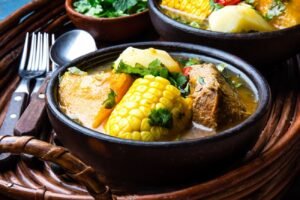
Traditional dishes like pastel de choclo, cazuela, and curanto showcase regional ingredients prepared with generational care. Many recipes have been passed down verbally, never written, existing only through hands-on family teaching. Cooking classes in rural communities now let visitors learn these recipes directly from local grandmothers. That personal exchange transforms a simple meal into an unforgettable cultural experience.
Religious and Seasonal Celebrations Across Chile
Catholic tradition, introduced during the colonial era, still shapes much of Chile´s yearly cultural calendar. Village patron saint festivals bring communities together with processions, music, fireworks, and shared meals. These celebrations often blend Catholic ritual with older, distinctly local customs and beliefs. Witnessing one of these festivals reveals a deeply personal side of culture in Chile.
Fiestas Patrias, celebrated every September, mark Chile´s independence with nationwide enthusiasm and pride. Streets fill with flags, dance floors, grilled meats, and endless glasses of local wine. Fondas, temporary festival grounds, host cueca dancing, rodeo demonstrations, and traditional games for families. This weeklong celebration offers visitors an immersive crash course in Chilean national identity.
Harvest festivals throughout the Maipo Valley celebrate the grape harvest with music, food, and communal gratitude. Vineyard workers and their families gather to mark another successful season together. These gatherings often include blessing ceremonies, traditional dances, and generous shared feasts. Few experiences capture rural gratitude and community spirit quite like these autumn celebrations.
Craftsmanship and Everyday Culture in Chile
Traditional crafts remain very much alive throughout Chile´s rural communities, passed carefully from elder to apprentice. Wool weaving, leatherwork, and pottery reflect regional materials, techniques, and centuries of accumulated skill. Many artisans still use methods unchanged for generations, favouring patience over industrial shortcuts. Watching these craftspeople work reveals a quieter, more intimate side of culture in Chile.
In the countryside, handmade horse gear reflects the huaso´s practical needs and considerable pride of craftsmanship. Saddles, spurs, and belts often feature intricate silver detailing, each piece uniquely signed by its maker. These objects are functional, but also deeply symbolic of rural identity and status. Owning quality huaso gear remains a genuine point of pride for many families.
Local markets throughout the Maipo Valley showcase these crafts alongside homemade preserves, cheeses, and baked goods. Chatting with vendors often reveals family histories stretching back multiple generations in the same trade. Buying directly from artisans supports these traditions while offering visitors a meaningful, personal souvenir. These small exchanges often become the most cherished memories of an entire trip.
Experiencing Culture in Chile Through Tourism
Identidades del Maipo offers travellers genuine access to these living traditions, far beyond typical tourist attractions. Guided experiences connect visitors directly with huasos, artisans, musicians, and multigenerational farming families. Rather than watching from a distance, guests participate actively in daily rural life and celebration. This hands-on approach offers a far richer understanding of culture in Chile.
Trekking routes through the valley pass historic estates, rural chapels, and centuries-old irrigation systems still functioning today. Guides often share local legends, family histories, and practical knowledge passed down through generations. These walks blend natural beauty with genuine cultural storytelling at every turn. Few destinations combine landscape and heritage quite as seamlessly as the Chile does.
Evening gatherings frequently include traditional music, home-cooked meals, and unhurried conversation with local hosts. Visitors often describe these evenings as the most authentic and moving part of their entire trip. That personal connection is exactly what separates meaningful travel from simple sightseeing. Culture in Chile, experienced this way, becomes something felt rather than merely observed.
Why Culture in Chile Deserves Deeper Exploration
Chile´s cultural heritage rewards travellers willing to slow down, listen, and genuinely engage with local communities. Behind every dance, dish, and craft lies a story worth hearing and remembering. These traditions survive not in museums, but in kitchens, stables, and family gatherings across the countryside. That living quality is precisely what makes culture in Chile so endlessly compelling.
Visiting the Maipo Valley offers a rare chance to experience this heritage firsthand, guided by welcoming locals. Every shared meal, dance lesson, and countryside ride adds another layer of genuine understanding. These are memories that outlast any souvenir, rooted in real human connection. So come curious, stay a while, and let culture in Chile reveal itself, one story at a time. There is always another dance to learn, another dish to taste, and another local voice waiting to share its story with you.