


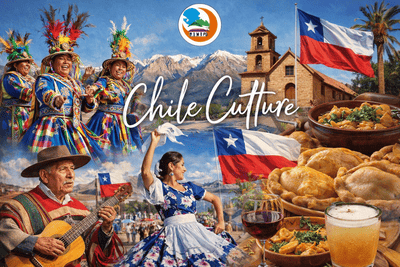
CHILE CULTURE: IDENTITY, TERRITORY, AND LIVING HERITAGE THROUGH LOCAL EXPERIENCES
Chile Culture as a territorial construction
Culture of Chile emerges from the close relationship between people and territory. Each landscape shapes ways of life and cultural practices. In the Elqui Valley, for example, the connection with the night sky influences beliefs and community activities. Mountains, coastline, and countryside create distinct identities.
The Chile Culture does not follow a single narrative. It is built from diverse local realities. Territory does not function only as a backdrop. It actively participates in cultural creation. Understanding Chile culture requires observing how space is inhabited. Cultural tourism allows an approach to these dynamics through situated experience.
Chile Culture and nature: adaptation and local knowledge
The relationship with nature defines a large part of the Chile Culture. Ecosystems influence productive and social practices. In the highlands, communities developed agricultural systems adapted to water scarcity. In central Chile, rainfall cycles organize rural labor. This knowledge is transmitted through everyday practice.
The Culture of Chile incorporates these forms of knowledge as part of its identity. Cultural tourism makes it possible to recognize nature as a cultural space. Not only as scenery, but as a source of knowledge and territorial memory.
Chile Culture and Indigenous worldview: a relational understanding of territory

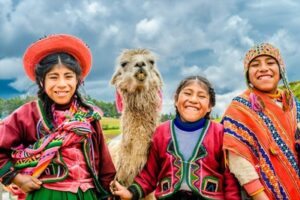
Chile culture integrates diverse Indigenous worldviews present throughout the country. Peoples such as the Mapuche, Aymara, Diaguita, and Rapa Nui understand territory as a living entity. In southern regions, certain hills and rivers are considered spiritually significant spaces. This perspective influences social and cultural organization. The Culture of Chile expands when these worldviews are acknowledged and respected. Cultural tourism can approach this knowledge through storytelling and interpretive routes. Always guided by ethics and community consent. Visitors come to understand that territory also communicates meaning and memory.
Transmission and belonging
Communities sustain the Culture of Chile in their daily lives. Through local festivals and community gatherings, collective knowledge is passed on. In rural areas, religious and patron celebrations reinforce territorial identity. The Chile Culture is reflected in forms of cooperation and social organization. Responsible cultural tourism recognizes this community role. It does not seek to represent communities. It seeks to listen to them. Visitors gain access to local narratives and understand historical processes through shared experience.
Culture of Chile in urban spaces: living popular expressions


Chile Culture also develops in urban contexts. In cities such as Santiago and Valparaíso, street music and popular trades form part of the cultural landscape. Chinchineros, for example, maintain a tradition passed down within families. These practices connect past and present. Urban Culture of Chile reflects cultural adaptation and continuity. Urban cultural tourism makes it possible to recognize these expressions. Culture is not limited to formal spaces. It is produced in the streets and in everyday social interaction.
Culture of Chile and craftsmanship: technique, materiality, and identity
Craftsmanship holds an important place in the Culture of Chile. Traditional trades develop from local materials. Clay work in Pomaire or horsehair weaving in central Chile reflect specific techniques. These skills are passed down from generation to generation. The Chile Culture is expressed through the relationship between hand, material, and territory. Cultural tourism allows an understanding of these processes. The value lies not only in the final object. It lies in the knowledge that sustains it as living heritage.
Meaningful food practices
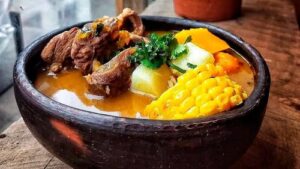
Gastronomy reflects the Culture of Chile in a direct way. Each territory contributes its own ingredients and preparations. In Chiloé, Curanto brings together products from land and sea. In central rural areas, stews express seasonal cooking. The Chile Culture is transmitted through family recipes. Food plays a social and cultural role. Gastronomic tourism allows these practices to be understood. Eating becomes a cultural experience connected to territory.
Rural Culture of Chile: work, calendar, and tradition
The rural world structures an important part of the Culture of Chile. Agricultural work organizes time and social relations. Activities such as threshing festivals and rural fairs reflect community cooperation. Rural Culture of Chile is sustained through the continuity of these practices. Rural tourism allows closer contact with this reality. Visitors observe and participate with respect. This experience strengthens appreciation for rural heritage.
Culture of Chile and wine: productive landscape and tradition


Wine has been part of the Chile Culture since the colonial period. In valleys such as Colchagua or Maipo, harvest season remains a collective celebration. These practices shape productive and social identity. The Chile Culture is expressed in agricultural landscapes. Wine tourism helps to understand this relationship. Visitors access productive processes and local traditions linked to territory.
Coastal Culture of Chile: knowledge of the sea
Artisanal fishing represents a key expression of coastal Culture of Chile. In coves such as Cocholgüe or Quintay, knowledge of the sea is transmitted orally. Tides organize daily life. Fishing connects identity, economy, and community. The Chile Culture is reflected in marine practices and coastal gastronomy. Cultural tourism allows this heritage to be valued. Visitors understand the importance of sustainability.
Connecting experiences
Cultural tourism connects the different expressions of the Culture of Chile. Gastronomic routes, rural journeys, and community experiences enable situated learning. Visitors participate through direct interaction. The Culture of Chile is experienced through connection. Tourism ceases to be consumption. It becomes cultural and territorial encounter.
Culture of Chile as heritage in motion
The Chile Culture is not static. It adapts and transforms over time. Its continuity depends on social practice. When communities share their heritage, they keep it alive. The Culture of Chile is projected through real experiences. Cultural tourism can support this process. The cultural future is built through respect, education, and participation.

Cultural Tourism Routes in Central Chile: Cajón del Maipo and the Pacific Cultural Corridor
Cultural tourism in central Chile finds one of its most meaningful expressions in the Cajón del Maipo. Located at the foothills of the Andes, this territory combines geology, history, and community life.
The Geotren del Cajón del Maipo offers a unique way to understand this relationship. More than a scenic railway experience, the Geotren interprets the geological formation of the Andes, mining heritage, and the historic connection between Santiago and the mountain territory. Travelers move through tunnels, bridges, and valleys while learning how volcanic activity, water systems, and human settlement shaped local culture. This route transforms the landscape into a living classroom, where territory itself narrates history and identity.
The Cajón del Maipo also expresses rural and mountain culture through small villages, thermal traditions, and agricultural practices adapted to altitude and climate. Cultural tourism here emphasizes slow travel, local storytelling, and respect for fragile ecosystems. Visitors engage with local guides, community initiatives, and heritage sites, understanding how mountain life has forged resilience and belonging. The experience is not observational only; it is participatory and grounded in place.
Valparaíso – Viña del Mar – ConCón…
On the Pacific coast, Valparaíso, Viña del Mar, and Concón form a complementary cultural corridor where urban, coastal, and natural identities intersect. Valparaíso stands as a port city shaped by migration, trade, and creativity. Its hills, elevators, and murals reflect a culture built on movement and adaptation. Cultural tourism in Valparaíso focuses on walking routes, heritage neighborhoods, and everyday expressions such as street art, music, and popular trades. The city is not a museum; it is a living archive where stories emerge from daily life.
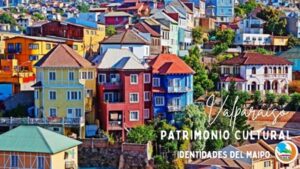
Viña del Mar and Concón add another layer to this experience. Viña del Mar represents leisure culture and early twentieth-century urban planning linked to seaside tourism. Its gardens, architecture, and public spaces reveal how coastal landscapes were integrated into modern lifestyles. Concón, meanwhile, connects visitors with coastal traditions, dunes, and gastronomy rooted in fishing culture. Together, these cities allow travelers to understand how Chilean coastal identity balances tourism, nature, and community life.
Poet´s Coast and Tricao Park
Beyond the cities, the Litoral de los Poetas offers a cultural route where literature and territory converge. This coastal stretch, associated with poets such as Pablo Neruda, Vicente Huidobro, and Nicanor Parra, invites reflection on how landscape influences artistic creation. Cultural tourism here values contemplation, interpretation, and connection with place rather than spectacle. Homes, viewpoints, and small towns become spaces where poetry and geography dialogue.


The journey extends inland to Parque Tricao, a natural and cultural reserve that integrates biodiversity conservation with environmental education. Tricao represents a contemporary expression of Chile Culture, where sustainability, community involvement, and ecological awareness define the visitor experience. Cultural tourism in this space highlights the idea that nature is also heritage, shaped by human care and responsibility.
Together, the Cajón del Maipo and the Valparaíso coastal corridor illustrate how Chile Culture is experienced through territory. Cultural tourism connects mountains, cities, coastlines, and rural landscapes into a coherent narrative. Travelers do not simply move between destinations; they move through layers of meaning. These routes invite visitors to listen, learn, and participate. Culture becomes a shared experience, rooted in place and sustained by community.