


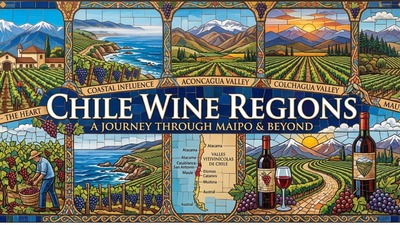
Chile Wine Regions
Let’s explore Chile wine regions together!
Few countries concentrate such astonishing diversity in such a unique strip of land. Chile is a landscape of extreme contrasts and untamed beauty. Its geography defines it as a climatic corridor unlike any other in the world. The country stretches for more than 4,300 km, nestled between the majestic Andes Mountains and the Pacific Ocean. Within this vibrant corridor, Chile’s wine regions unfold like chapters in a beautifully crafted travelogue. The desert valleys of the north give way to cool coastal breezes in just a few hours’ drive. Volcanic soils coexist with ancient river terraces, each shaping the distinctive character of the grapes cultivated there.
For any curious traveller or wine enthusiast, Chile offers something truly exceptional. Here, a whole spectrum of climates and biodiversity is just an afternoon’s drive away. Thus, each valley, each field, each region seems to whisper its own story through the glass and the vine, patiently waiting to be discovered.
Ancient History of wine in Chile
The history of wine in Chile began more than four centuries ago with the Spanish colonists and local farmers. They planted the first vines of the País grape variety near Santiago. Today, that humble origin has evolved into a technical sophistication envied worldwide. Chile is currently a map of winemaking wonders, inviting a deep sensory exploration. Chile’s geographical diversity allows to produce everything from masterful red wines to spectacular white wines. Magnificent wines such as the bold Cabernet Sauvignon, the spicy Carmenère, the silky Pinot Noir, or the flavourful Sauvignon Blanc can be found in any wonderful region along this extraordinary coast.
Each grape variety finds its ideal place in these varied and diverse landscapes. Visiting Chile’s wine regions is to savour the very geography of the country, generously and carefully poured into every bottle. Chile is a country of breathtaking contrasts in its landscapes. Some regions hug the misty coastline, while others rise to snow-capped peaks or stretch out into arid desert plains. This ebb and flow it’s precisely what draws travellers, sommeliers, and curious wine lovers back time and again. We’ll now embark on a journey through Chile’s wine regions, exploring the connection between climate, land, and national identity. Along the way, we’ll encounter stories of resilient old vines, ambitious young winemakers, and ever-changing landscapes.
San Antonio Valley. Where Chilean wine regions look out to the ocean.

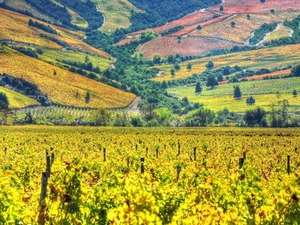
We’ll begin this journey an hour and a half from Santiago. Just south of Valparaíso, the San Antonio Valley stretches even closer to the Pacific coast. The vineyards are located remarkably close to the water, some only a few kilometres from the waves. This proximity generates constant sea breezes, keeping daytime temperatures cool even during the summer months.
Among Chile’s wine regions, San Antonio stands out as one of the coolest and most maritime. Within San Antonio, the Leyda subzone has earned a special reputation for its exceptional Sauvignon Blanc and Pinot Noir wines. The vines here adapt to rocky soils, producing small, intensely flavoured berries full of character. Winemakers speak of a distinctive salinity that runs through these wines on the palate and nose, like a whisper of the sea. That mineral and saline touch has become a hallmark of the entire San Antonio region.
This region offers a more tranquil and intimate tourism experience, perfect for a sensory immersion in the local landscape. Small, family-run wineries often welcome visitors personally, sharing stories and anecdotes during a simple, thoughtful, and leisurely tasting. And if that weren’t enough, the nearby fishing villages serve some of the freshest ceviche imaginable, creating a perfect pairing for these crisp coastal wines.
We recommend a visit to the San Antonio Wine Valley in conjunction with Tricao Park.
Casablanca Valley: the Chilean wine region with the most unique atmosphere.
Venturing inland, we find the Casablanca Valley, 78 kilometres from Santiago. This valley feels like stepping into another world. The Pacific fog, arriving in the morning, blankets the vineyards in a soft mist that gives them a silvery hue. This mist dissipates as the hours pass, leaving behind a radiant sun and a pleasant evening warmth by midday. This daily rhythm creates ideal conditions for producing both elegant white wines and fragrant reds. The grapes ripen slowly, retaining a bright acidity while developing full, nuanced flavours.

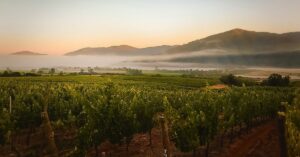
In the Casablanca Valley, wines like Sauvignon Blanc and Chardonnay thrive, the latter standing out for its balanced character and body with subtle notes of tropical fruit. Among Chile’s wine regions, Casablanca is a true paradise for those who appreciate finesse and craftsmanship in winemaking.
Its numerous wineries welcome visitors with open arms, offering tastings set against an unbeatable landscape, where you can enjoy spectacular wines surrounded by rolling green hills and the refreshing breeze. Many wineries also pair their wines with fresh seafood brought in directly from nearby coastal fishing villages.
To visit the Casablanca Valley, we recommend combining it with the Valparaíso and Viña del Mar Tour.
Maipo Valley: where Chilean wine regions meet the Andes.
The Maipo Valley holds a special place in Chilean history as the true cradle of the country’s wine industry. Known as the “Bordeaux of South America,” it remains synonymous with world-class Cabernet Sauvignon and great aging potential. The snow-capped peaks of the Andes rise majestically behind the vineyards, and their mineral-rich runoff water nourishes the roots. This breathtaking landscape makes the Maipo one of the most photogenic Chilean wine regions imaginable, especially at sunset.

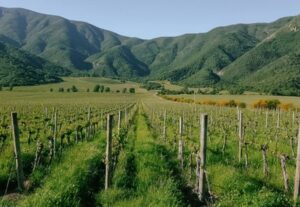
The climate here is warm and dry, tempered by cool nights that descend gradually from the mountains. This temperature variation allows the grapes to ripen slowly, developing a deep colour and firm, elegant tannins. Maipo Cabernet Sauvignon typically displays notes of blackcurrant, cedar, and a distinctive hint of fresh mint. Many of Chile’s most historic and prestigious wineries proudly call this valley home today.
Some estates date back to the 19th century, and their stone cellars continue to age wine in the same way as generations ago. Touring these historic wineries is like strolling through a living museum of Chilean winemaking tradition. However, innovation flourishes alongside tradition, with young producers boldly experimenting with new blends and modern techniques. Together, the voices of old and new keep Maipo firmly rooted in the heart of Chilean wine history.
We recommend the Maipo Vineyard Tour for this wonderful wine valley.
Colchagua Valley: A Chilean wine region to enjoy from the sky
Heading south from Santiago, the landscape opens up to the wide, sun-drenched expanse of the Colchagua Valley. Considered Chile’s premier red wine region, Colchagua produces wines of remarkable depth and richness. The warm days and the cooling influence of the ocean from the west create near-perfect ripening conditions here. It’s easy to see why so many visitors consider Colchagua one of their favourite wine regions in Chile.

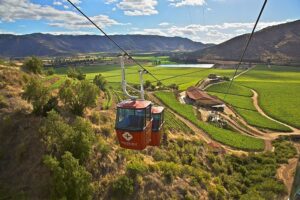
Carmenère, one of Chile’s most iconic grapes, reaches spectacular heights here, offering notes of dark chocolate, spice, and ripe red fruit. Cabernet Sauvignon and Syrah also perform magnificently, often blended to create powerful, structured wines with great aging potential. Colchagua’s soils range from clay to granite, giving winemakers a rich array of textures to work with. The result is a region brimming with personality, confidence, and a bold, expressive character.
Beyond the wine itself, Colchagua has become a truly thriving wine tourism destination. The charming town of Santa Cruz boasts a museum, boutique hotels, and a picturesque wine train that winds its way through the valley. Hot air balloon rides or funicular tours offer panoramic views of endless rows of meticulously cultivated vineyards. Few experiences capture the romance of Chile’s wine country like the sunset over the rolling hills of Colchagua.
Aconcagua Valley: the region where you witness the height and grandeur of Chilean wine.
Let’s continue our journey north of Santiago this time. The Aconcagua Valley stretches from towering mountains to the cool Pacific coast. This marked variation in altitude gives the valley remarkable internal diversity, from warm inland slopes to coastal plots with sea breezes. Named after South America’s highest peak, Aconcagua produces some of Chile’s most powerful and age-worthy red wines. Among Chilean wine regions, few offer such a stark contrast within a single appellation.
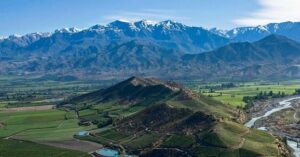
In the inland areas, near the foothills of the Andes, robust Cabernet Sauvignon and Syrah grapes are cultivated, rich in dark fruit and with a firm structure. Closer to the coast, cooler temperatures favour the bright Sauvignon Blanc and the delicate, fragrant Pinot Noir. This duality allows Aconcagua to produce an unusually wide range of wine styles. Visiting both ends of the valley in a single day reveals the great variety of Chilean terroir.
Boutique wineries dot the hillsides, many family-run and passionately dedicated to sustainable farming practices. Several estates now cultivate organically or biodynamically, prioritizing soil health and the long-term vitality of the vineyards. Tastings are often held next to the barrel room, offering an intimate and authentic glimpse into the winemaking process. Aconcagua rewards travellers willing to venture a little further off the beaten track.
Elqui Valley: A Chilean Wine Region for Stars.


Far to the north, where the spectacular expanse of the Atacama Desert begins, lies the extraordinary Elqui Valley. Though better known for pisco than wine, Elqui has quietly become one of Chile’s most exciting up-and-coming wine regions. High altitude, intense sunlight, and clear skies define this rugged, otherworldly landscape. Vineyards here climb steep slopes, clinging to some of the highest elevations in the country.
Elqui Syrah possesses an unmistakable intensity, bursting with dark fruit, pepper, and subtle smoky mineral notes. The extreme daily temperature swing—scorching during the day and freezing at night—preserves acidity while intensifying the concentration of flavours. Winemakers describe Elqui grapes as some of the most naturally concentrated to be found in all of Chile. While still a small-production region, its wines are exceptional.
Elqui is also one of the best stargazing destinations in the world. The pure desert air and minimal light pollution attract astronomers and curious travellers from all over the globe. Imagine savouring a glass of rich Syrah under a starry sky. Few Chilean wine regions offer such a magical, almost celestial, sense of place and wonder.
Maule Valley: a grape-growing region that contributes tradition to Chilean wine.
South of Colchagua, the historic Maule Valley remains one of Chile’s largest and oldest wine-growing regions. Many vines here were planted decades, even a century, ago, without irrigation, relying solely on rainfall. These gnarled, dry-farmed vines produce exceptionally concentrated fruit, highly prized today by a new generation of winemakers. Among Chile’s wine regions, Maule offers a fascinating glimpse into Chilean viticulture’s rustic past.

The País grape, an old Spanish variety once considered a mere table wine, is now celebrated for its authentic character. Carignan also thrives here, producing juicy yet structured wines bursting with berry flavours. A growing movement of small producers champions these ancestral vines, bottling them with pride and precision. Wine lovers seeking something truly different shouldn’t overlook Maule’s understated, old-world charm.
Rolling landscapes, cultural traditions like rodeo, and rustic family wineries define the relaxed atmosphere of this region. Many tastings take place in simple, unpretentious settings, often organized by the winemaker’s own family. This authenticity offers a refreshing contrast to some of Chile’s more sophisticated and modern tasting rooms. Maule proves that history and humility can produce truly extraordinary wines.
You can also include a visit to the Pillan Mapu Geopark and discover impressive geosites such as the Devil’s Tooth, the Inverted Waterfall, the White Monks, the Prison or on the border with Argentina the spectacular Maule Lagoon.
Plan your trip through Chile’s wine regions.
Throughout this mental journey we’ve taken through Chile’s wine regions, we’ve been able to enjoy, even if only in our imaginations, the wonders this marvellous country has to offer. Now, we invite you to experience them with all your senses. Explore these valleys that reward travellers who take their time instead of rushing between stops.
Santiago is an excellent base, with easy access to Casablanca, Maipo, San Antonio, and Colchagua. Renting a car offers the greatest flexibility, although many wineries also arrange private transportation for their visitors. Booking tastings in advance can also guarantee a warm welcome and often access to exclusive reserve wines. You should write and reserve your exclusive experiencie with us.
Spring and autumn offer the most pleasant weather for visiting vineyards, avoiding the intense summer heat. The harvest season, from March to April, offers a particularly vivid glimpse into the winemaking process. Many estates host special harvest celebrations, complete with grape stomping and lively live music. Whatever the season, Chile’s wine regions welcome visitors with generous hospitality and genuine pride. Pack comfortable walking shoes, sun protection, and a willingness to savour Chile’s abundant cuisine. Empanadas, grilled meats, and fresh seafood pair perfectly with local wines, whether crisp or full-bodied. Many wineries also offer horseback riding, bike tours, or leisurely picnics among the vineyards. These extra touches transform a simple tasting into an unforgettable day in wine country.
Why choose these tours?
From the mist-shrouded hills of Casablanca to the sea breezes of San Antonio to the starry skies of Elqui, variety defines this extraordinary wine nation. Each valley offers a distinctive personality, shaped by unique soils, climates, and centuries of winemaking tradition. Few countries allow travellers to experience such contrast in a single unforgettable trip. This diversity is precisely what makes Chile’s wine regions so fascinating to explore.
Whether you crave crisp whites or rich, spicy reds, Chile delivers with confidence and style. Each glass tells a story of mountains, oceans, deserts, and the passion of the people who tend these vineyards. So, pack your bags, book your flight, and let your curiosity and senses guide you. Chile’s wine regions await you, glass in hand, ready to welcome you.
