


Chile National Parks
A Natural Treasure from North to South “Chile National Parks”
Chile holds some of South America’s most spectacular landscapes within its protected areas. Chile’s National Parks range from ancient araucaria forests to Patagonian glaciers. Each offers trails, viewpoints, and unique experiences for visitors. They all form part of the natural heritage that makes Chile a world-renowned destination for trekking, birdwatching, and nature tourism. From the central region to the far south, Chile’s National Parks offer a glimpse into an extraordinarily diverse geography. Active volcanoes, hidden lagoons, and native forests appear one after another throughout the country. Packing your backpack well and choosing the right time of year makes all the difference on each visit. Below is a detailed tour of each of these must-see destinations.
Exploring Chile’s National Parks is also a way to connect with the culture of the indigenous peoples. Many of these territories were and still are inhabited by Mapuche communities, who consider volcanoes, rivers, and araucaria trees sacred. Respecting their traditions enriches the experience and helps conserve these natural spaces. The country’s network of protected areas includes more than forty national parks, as well as reserves and natural monuments. Choosing the right destination based on the time of year, the level of physical exertion, and the time available is key to fully enjoying each visit. This article focuses on nine parks and reserves that perfectly represent Chile’s geographical diversity, from the central region to southern Patagonia.
Conguillío National Park: Araucaria Trees and Volcanoes in Araucanía Region.
We’ll begin with Conguillío National Park. This is one of the most photogenic of Chile’s national parks. It’s located in the Araucanía Region, at the foot of the Llaima volcano. Its araucaria forests, a species that is ancient and sacred to the Mapuche people, give the landscape a prehistoric feel. The Sierra Nevada Trail offers spectacular views of Lake Conguillío and solidified lava fields. In winter, snow blankets the volcano, attracting skiers to the small resort. In summer, the lake invites you to swim in its cool, clear waters. There are designated campsites within the park, ideal for spending the night surrounded by araucaria trees. The combination of an active volcano, a glacial lake, and native forest makes Conguillío a must-see.

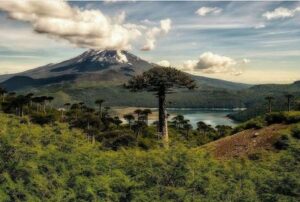
The Truful-Truful sector, with its volcanic layers visible to the naked eye, functions almost like an open-air geological museum. There, you’ll also find a small, easily accessible waterfall, perfect for a short stop along the trail. Park rangers recommend visiting the park between December and March, when the trails are completely clear of snow. In autumn, the colours of the ñirre and lenga trees paint the landscape in shades of red and orange. This less crowded season offers a more intimate experience with the araucaria forest.
Torres del Paine National Park: The Patagonian Icon
No list of Chile’s National Parks would be complete without Torres del Paine. Located in the Magallanes Region, it is the most visited and famous in the country. Its three granite towers, sculpted by glaciers, have become a symbol of Chilean Patagonia. The multi-day W Circuit takes you past viewpoints, glaciers, and turquoise lagoons. More experienced hikers opt for the O Circuit, which encircles the entire Paine massif. Grey Glacier, with its icebergs floating in the lake, is another of the park’s major attractions. Local wildlife includes guanacos, condors, and, with luck, a puma in the wild. Booking refuges and campsites in advance is essential, as demand exceeds supply during peak season.

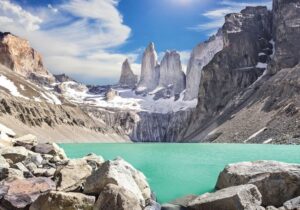
The Patagonian wind, constant throughout the year, is one of the factors that most surprises first-time visitors. Wearing layered technical clothing is indispensable, even in the height of the austral summer. Park entry is organized by sectors, each with defined schedules and capacity limits to protect the ecosystem. Puerto Natales, the nearest city, offers most lodging and equipment rental services. Many travellers dedicate between four and eight days to this visit alone, given the park’s size and richness.
Río Clarillo National Park: Nature Minutes from Santiago
Less than an hour from the capital lies Río Clarillo National Park. It is one of the most convenient options among Chile’s national parks for those with limited time. Its trails wind through sclerophyllous forest, typical of the central region, alongside a crystal-clear river.


The river’s cool water invites you to refresh yourself on hot summer days. There are designated picnic areas near the main entrance, ideal for spending the day with family. Its proximity to Santiago makes it a perfect day trip for those who don’t have several free days. Despite its modest size, it offers a surprising biodiversity of native flora and fauna.
The park offers options for all types of visitors:
🌿 Arboretum: an educational trail showcasing various native tree species. Suitable for families and people with reduced mobility.
🌊 Quebrada Jorquera: a shaded trail, ideal for birdwatching and enjoying the cool forest air.
🌄 Sendero de los Bueyes (Ox Trail): the park’s main challenge, a 13 km trail of moderate difficulty. Its summits offer unique panoramic views of the canyons that feed the Clarillo River.
Each hike is an opportunity to slow down and reconnect. Here, speed isn’t the priority; what matters is being fully present and attentive to your surroundings.
Discover all the trails in Rio Clarillo National Park HERE
El Morado Natural Monument: Glaciers near the Cajón del Maipo
El Morado, although technically a Natural Monument, is always considered one of Chile’s National Parks due to its scenic value. It is located in the Cajón del Maipo, very close to Santiago, in the municipality of San José de Maipo. The main trail leads to Laguna El Morado, with a direct view of the glacier of the same name. The hike is challenging but accessible for people of average fitness. Along the way, you cross guindillos forests and ravines with meltwater. The hanging glacier, visible from several points along the trail, crowns a breathtaking high-mountain landscape. Many visitors combine this hike with a stop at the “Termas de Colina” (or Colina Hot Springs) on the return. Its proximity to the capital makes it a very popular day trip.
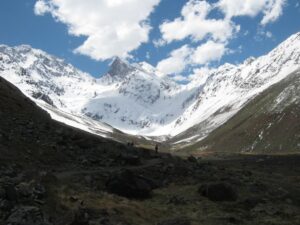
El Morado is one of the few sites in Chile protected by geological criteria, as it preserves processes and formations of great scientific and educational value, including:
Active and retreating glaciers.
Moraines and fluvioglacial deposits.
Fossil remains over 140 million years old (Jurassic).
Rocks belonging to formations such as Lo Valdés, Abanico, and Colimapu.
This designation ensures the protection of the Estero Morales Basin, which is fundamental for the water and ecological balance of the Metropolitan Region.
Siete Tazas National Park: Waterfalls Sculpted in Volcanic Rock
Hidden in the Maule Region is one of the most unique spots among Chile’s national parks. Siete Tazas National Park owes its name to a series of turquoise pools carved by the Claro River into volcanic rock. Each pool, or cup, is connected to the next by small waterfalls. The access trail allows you to observe most of these formations from safe viewpoints. Nearby, Salto La Leona offers one of the park’s most spectacular waterfalls.
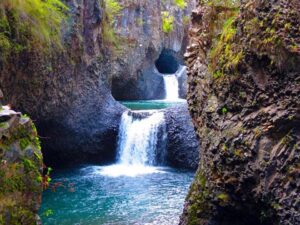
The native forest surrounding the river provides shade and coolness during the hike. During peak season, it’s best to arrive early, as access is limited by daily capacity. Siete Tazas is a perfect stop for those traveling from Santiago to the south of the country.
Bolson Park
The English Park-El Bolsón trail is the ideal route for the most adventurous and trekking enthusiasts. The route is 11 km long and takes approximately 4 hours round trip. Along the way, you can appreciate the pre-Andean landscape and green forests of species such as oak, hazel, coihue, and radal.
The biodiversity present in Radal Siete Tazas is impressive. You can spot a variety of plant and animal species, some of which are endemic to the region. It’s a unique opportunity for wildlife observation.
This protected area, aside from its scenic beauty, has a very particular characteristic found in few places in the world. It harbors a large number of unique, peculiar species of flora and fauna that exist only in Siete Tazas and Chile. This phenomenon is known as a biodiversity hotspot and is characterized by a concentration of at least 1,500 endemic species (those that inhabit a specific place).
Some of the best-known species are the puma, kodkod, colocolo cat, pudú, and Magellanic woodpecker. As for the flora, notable species include the olivillo, oak, coigüe, laurel, and raulí.
Villarrica National Park: Active Volcano by the Lake
Villarrica National Park is among Chile’s most comprehensive national parks for trekking and mountaineering.
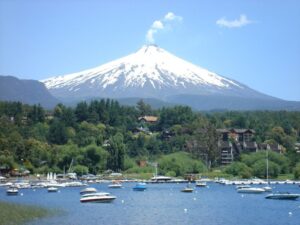
Located in the Araucanía Region, it sits next to the volcano of the same name, one of the most active in South America. The ascent to the crater, guided and with specialized equipment, is one of the most sought-after experiences in southern Chile. From the summit, on clear days, you can see as far as Lake Villarrica and other neighbouring volcanoes. For those who prefer gentler hikes, the Los Nevados sector offers trails through forests and solidified lava. In winter, the Pucón Volcán Villarrica ski resort attracts visitors from all over the country.
The area’s natural hot springs are the perfect complement after a day of hiking. Villarrica combines adventure, volcanic landscapes, and a well-developed tourist infrastructure in the nearby city of Pucón.
The ascent to the crater usually begins very early in the morning to take advantage of the packed snow and avoid the midday wind. The guides provide crampons, ice axes, and helmets before the ascent begins. From the summit, many visitors descend by sliding down the snow with the help of a sled improvised from their own ice axes. Pucón, at the foot of the volcano, also offers rafting on the Trancura River and canopy tours through the trees. This combination of adventure and scenery has made the area one of the most popular tourist destinations in southern Chile.
La Campana National Park: Chilean Palm Forest
In the Valparaíso Region lies another must-see among Chile’s National Parks. La Campana National Park protects one of the last large Chilean palm forests in the country. Charles Darwin visited this hill in 1834 and described its view as one of the most beautiful in South America. The trail to the summit offers, on clear days, views of both the Andes Mountains and the Pacific Ocean. It is a challenging hike, recommended for people in good physical condition and with sufficient water. The Palmas de Ocoa sector offers a gentler hike among centuries-old specimens of this unique palm tree. Its proximity to Santiago and Valparaíso makes it a popular day trip for hikers. Its historical and botanical value clearly distinguishes it within the protected areas system.
The park is divided into three main sectors (Granizo, Cajón Grande, and Palmas de Ocoa).
The best trails are organized by sector and level of difficulty:
Granizo Sector (Olmué) Andinista Trail: This is the only route that leads to the summit of Cerro La Campana (where Charles Darwin stayed). It is a demanding challenge (about 7 or 8 hours round trip) with a steep incline, but it offers spectacular 360° views.
Los Peumos – Portezuelo Trail: A moderately difficult route that takes you into a lush native forest, passing by the historic La Campana Mine until reaching the point that connects with the Ocoa Valley.
Cajón Grande Sector (Olmué) La Cascada Trail: A moderately difficult route (approximately 5 to 6 hours round trip) that follows the course of the stream until reaching a beautiful natural waterfall surrounded by vegetation.
Los Robles – El Plateaux Circuit: A more relaxed trail of moderate difficulty. It’s perfect for walking in the shade of large trees and enjoying the fresh air without the extreme effort of the summit.
Palmas de Ocoa Sector (Hijuelas) El Palmar Circuit: An easy route that allows you to walk among hundreds of Chilean palms, an endemic and protected species. It’s a flat trail, ideal for families or children.
Agua del Manzano Trail: A bit longer and of medium difficulty, excellent for observing the biodiversity of the northern sector of the park and enjoying areas of abundant vegetation.
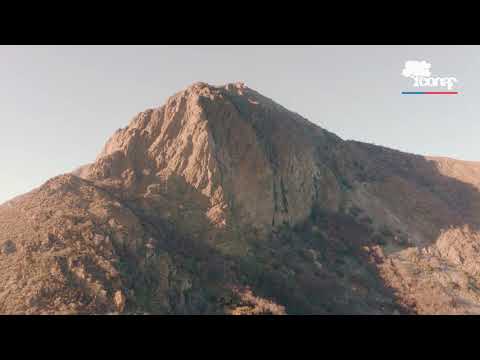
Río Los Cipreses National Reserve: Andean valley with glaciers
The Río Los Cipreses National Reserve is a great addition to the list of Chile’s national parks in the central zone. Located in the O’Higgins Region, it follows the course of the river of the same name towards the Andes Mountains. Its trails wind through cypress forests, ravines, and viewpoints overlooking high-altitude glaciers.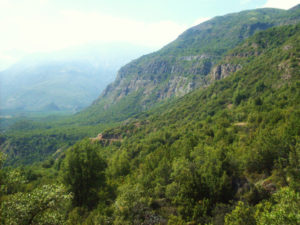
The route to the Universidad Glacier is one of the most popular with experienced hikers. Shorter trails, suitable for families, are also available near the administration area. The wildlife includes condors, culpeo foxes, and, in the higher elevations, the elusive Andean guanaco. The autumnal colours of the cypress trees, between March and May, make this reserve a prime photography destination. Its relative proximity to Rancagua and Santiago makes it easy to plan a one- or two-day visit.
If there’s one thing that makes this reserve famous, it’s its diversity of birds.
And we’re not talking about common species: we’re talking about winged treasures.
🟢 Tricahue Parrot: The Moss-Colored Guardian
This endangered parrot is an icon of the area.
Its velvety green plumage, yellow tones, and bluish tail make it a jewel in motion.
Watching it fly is to witness a piece of Chile’s natural history.
⚪ Andean Condor: The Emperor of the Sky
With its majestic wingspan, it’s impossible not to be moved when you see a condor soaring over the valley.
They are monogamous birds, faithful for life: a romantic story unfolding in the air.
⚫🟡 Eagles: Power and Precision
With their striking contrast between dark feathers and white bellies, the eagles of the reserve are a spectacular sight.
Their steady, almost choreographed flight mesmerizes anyone who pauses for a few minutes.
🦆 Riparian Ducks: The Acrobats of the River
Perhaps the most surprising species.
They swim against the current as if defying the laws of physics and move among the rocks with unique grace.
The male sports black stripes on his white head; the female, an elegant rust hue.
Mocho Choshuenco National Reserve: Volcanoes and Valdivian Forest
Concluding this tour of Chile’s National Parks, the Mocho Choshuenco National Reserve offers a landscape of lush Valdivian Forest. It is located in the Los Ríos Region, between the Mocho and Choshuenco volcanoes, which are snow-capped for much of the year. Its trails wind through humid forests of coigüe and araucaria trees, typical of temperate southern Chile.
The ascent of the Mocho volcano is one of the most challenging and rewarding hikes in southern Chile. For shorter walks, there are trails to viewpoints overlooking Lakes Riñihue and Panguipulli. The mountain refuge within the reserve allows you to spend the night before attempting the summit on a second day. The area receives abundant rainfall, so it’s advisable to always carry waterproof gear. Mocho Choshuenco perfectly encapsulates the volcanic and forested richness of southern Chile.
The Mocho Choshuenco Reserve is located within the Huilo Huilo and Seven Lakes tourist destinations.
This is why tourism is currently gaining significant prominence as a brand that helps the Panguipulli municipality position itself in national and international markets.
In this magnificent tourist destination, you can find activities such as rafting, river and touring kayaking, horseback riding, traditional cuisine, rural tourism activities, trekking, mountaineering, ethnotourism, flora and fauna observation, photography, and snow tourism on the Mocho-Choshuenco volcano.

Enjoying Chile National Parks will be an unforgettable experience.
Visiting Chile’s National Parks requires some planning, but it’s important to check the climate of each region, as it varies greatly between the central region and Patagonia. Most parks require advance reservations, especially during the peak summer season. Bringing enough water, sunscreen, and appropriate footwear is essential in any of these destinations. Some parks, like Torres del Paine, also require booking campsites and shelters months in advance. Hiring certified local guides enhances the experience and provides safety on more challenging routes. Respecting signage and not leaving any trash helps preserve these ecosystems for future generations. With this information, any traveler can design their own route through Chile’s National Parks, combining volcanoes, glaciers, native forests, and waterfalls into a single unforgettable journey.
A good strategy is to group parks by region to optimize travel time. Conguillío, Villarrica, and Mocho Choshuenco, for example, can be combined into a single trip through southern Chile. Río Clarillo, El Morado, and La Campana, on the other hand, make excellent day trips from Santiago. Siete Tazas and Río Los Cipreses can be added to a route south with stops along the way. Torres del Paine, due to its sheer size, is often reserved as the sole destination within a trip to Patagonia. Whatever itinerary you choose, Chile’s National Parks guarantee landscapes that will be etched in any traveller’s memory.
Enjoying Chile’s national parks is a delight for the senses. From the breathtaking views to the sounds of the birds and the freshness of the forests, the immersion a nature lover feels in these places is uniquely mystical and unforgettable.